 how-to
Sewing Machine Repair Services Near Me: A Guide
Table of Contents
- How to Find Sewing Machine Repair Services Near You
- How to Choose a Qualified Repair Technician
- Understanding Sewing Machine Repair Cost
- Sewing Machine Repair Turnaround Time: What to Expect
- Computerized Sewing Machine Repair: Specialized Service
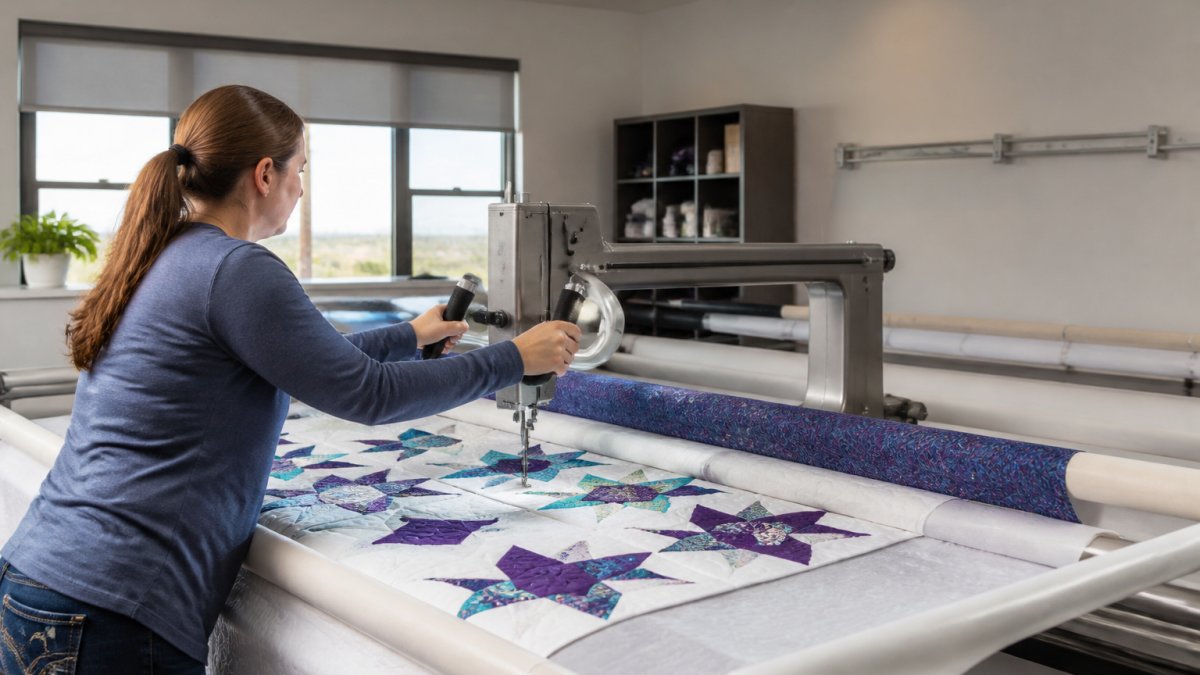
- Quilting Machine Repair: Keeping Your Longarm Running
- What to Do Before Taking Your Machine In for Service
- Repair Versus Replacement: Making the Right Decision
- Frequently Asked Questions
Last Updated: October 5, 2026
How to Find Sewing Machine Repair Services Near You
Finding reliable sewing machine repair services near me means knowing where to look and what to expect. Whether you need routine maintenance or emergency repairs, understanding your options helps you choose quickly.
Start by checking the manufacturer's website for certified service centers, which carry genuine parts and employ brand-trained technicians. Independent technicians often offer faster turnaround and personalized service, but verify their credentials first.
Authorized Dealers and Service Centers
Authorized dealers represent the manufacturer directly, stocking original parts, following factory standards, and offering warranty-backed service from technicians trained on your specific model.
The advantage is consistency: a Bernina dealer handles Bernina machines the same way regardless of location, with intimate knowledge of the engineering. The trade-off is longer wait times, especially in busy seasons, and higher costs than independent shops.
Independent Repair Technicians
Independent technicians often work from smaller shops or home-based businesses. Many have decades of experience across multiple brands, charge less than dealers, and may offer same-day or next-day service for simple repairs.
The risk is verification: expertise varies, and some specialize in older mechanical machines while others focus on computerized models. Ask about their experience with your specific make and model before committing.
Checking Business Hours and Service Areas
Confirm the shop's hours before driving across town. Many independent shops keep limited hours, close midweek, or require appointments, so call ahead.
Ask about their service area too. Some accept machines only within a certain radius; others ship nationwide. If mailing yours, ask about shipping costs, insurance, and return postage on warranty repairs.
How to Choose a Qualified Repair Technician
Not all technicians are equally qualified. The right one affects whether your machine is fixed correctly, how long it takes, and what you pay.
Verify Brand Certifications and Dealer Status
Check whether the technician holds official certifications from major manufacturers. Bernina, Brother, Janome, and Husqvarna Viking all certify authorized service centers, and these certifications require completed training and quality standards.
Ask directly: "Are you an authorized dealer for [your brand]?" Verify any yes on the manufacturer's website, since some shops claim authorization falsely.
Read Customer Reviews and Ask for References
Reviews on Google, Yelp, and Facebook reveal patterns. Look for comments on turnaround time, whether the machine worked after repair, and how problems were handled. One negative review means little; multiple reviews citing the same issue, like "my machine still skipped stitches after repair", signal a real problem.
Ask the shop for references. Legitimate technicians gladly provide recent customers who can vouch for their work; hesitation or refusal is a red flag.
Ask About Experience with Your Machine Make and Model
Sewing machines vary dramatically. A technician experienced with 1970s mechanical Singers might struggle with a modern Janome computerized model, and a new-machine specialist may not know vintage mechanical machines.
Tell the technician your brand and model, then ask if they've serviced it before and how often in the past year. Someone who works on your model regularly diagnoses and fixes problems faster than a first-timer.
Understanding Sewing Machine Repair Cost
Repair costs depend on what's broken, your machine's complexity, and your location. Knowing the pricing factors helps you budget and spot unreasonable estimates.
What Affects Repair Pricing
Computerized machines cost more to repair because their circuit boards and electronics require specialized diagnostic equipment.
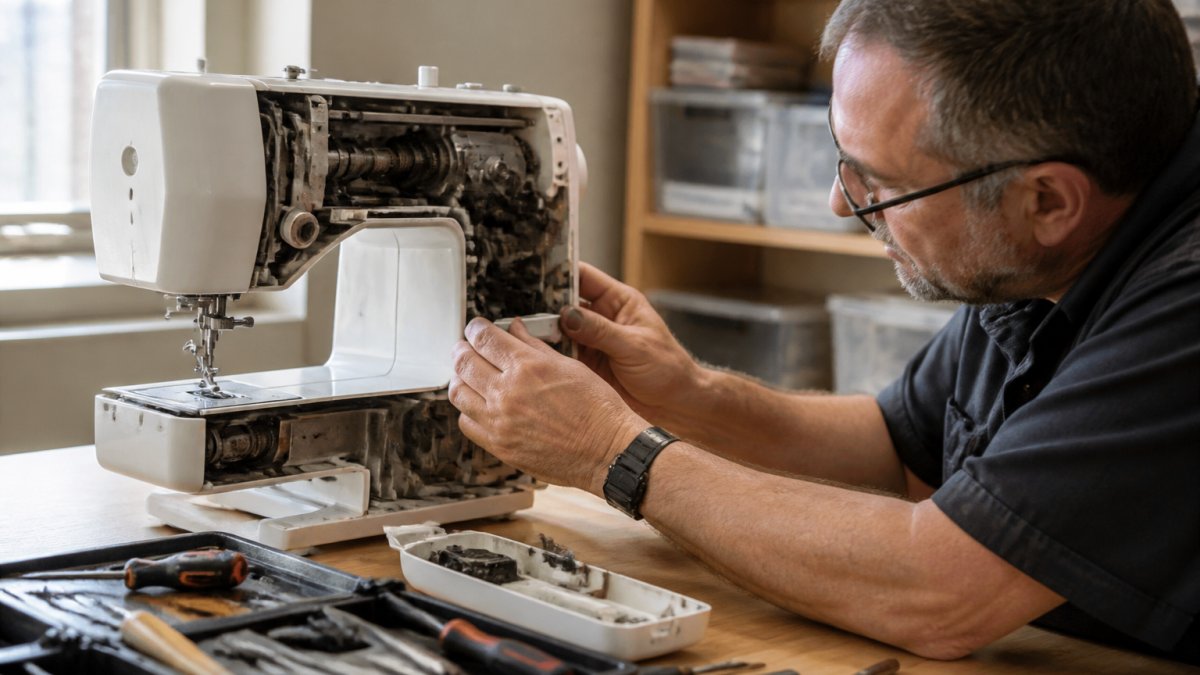
Parts availability matters too: in-production machines have ready parts, while older or discontinued models may need custom fabrication or specialty sourcing. Labor is the largest cost factor, a worn feed dog requiring full feed mechanism disassembly takes hours, while a snapped needle threader might take 15 minutes.
Location matters as well: technicians in major metros charge more than those in smaller towns, reflecting local cost of living and market rates rather than skill.
Getting an Estimate Before Committing
Always request a written estimate before authorizing repairs. A reputable technician examines the machine, identifies the problem, and specifies what will be repaired and the cost, with parts and labor listed separately.
Ask whether the estimate is binding or the final cost could be higher.
If an estimate seems high, get a second opinion. Call another shop and describe the problem, a phone conversation can gauge whether the first estimate is reasonable.
Sewing Machine Repair Turnaround Time: What to Expect
Turnaround depends on the problem's complexity, the shop's workload, and whether parts must be ordered.
Standard Service Timelines
Simple repairs like tension adjustments, needle threader fixes, or presser foot replacements typically take one to three days, or same-day if you drop off early and the shop isn't busy.
Involved repairs, replacing feed dogs, fixing motors, or addressing timing, usually take five to ten business days, requiring disassembly, careful adjustment, and testing.
Computerized repairs often take longer because technicians must run diagnostic software to find electronic faults, and ordering replacement circuit boards or components can add a week or more.
Rush Service and Priority Repair Options
Some shops offer expedited service for a fee. If you need the machine for an upcoming quilting project, ask about rush service, expect to pay 25 to 50 percent more, and note that rush still depends on the repair's complexity.
Shops accommodate rush requests more readily for simple repairs. If your machine needs a new motor or extensive rewiring, rushing won't help because the work itself takes time.
Computerized Sewing Machine Repair: Specialized Service
Modern computerized sewing machines contain circuit boards, sensors, and software requiring different repair approaches than mechanical machines, and not every technician is equipped for them.
Why Computerized Machines Require Trained Technicians
Computerized machines display error codes that mechanical machines lack. Interpreting them requires brand- and model-specific training, plus the service manual, diagnostic software, and possibly specialized testing equipment.
Replacing parts in a computerized machine is riskier: the wrong circuit board or sensor can cause cascading failures, and an unfamiliar technician might damage components, turning a $100 fix into a $500 problem.
Common Issues in Computerized Models
Thread tension problems are frequent in computerized machines. Sensors monitor and adjust tension automatically, but when they malfunction the machine skips stitches or breaks thread. Diagnosing whether the fault is a sensor, the tension mechanism, or the software requires systematic testing.
Needle positioning errors are another common issue. Computerized machines position the needle precisely for different stitch types, so if it doesn't move correctly the machine won't stitch properly, usually a faulty motor, encoder, or motor-control circuit board.
Quilting Machine Repair: Keeping Your Longarm Running
Longarm quilting machines require specific expertise. Finding a longarm technician is harder than finding a household sewing machine repairer, but it's essential for keeping your machine running smoothly.
Finding Specialized Longarm Technicians
Longarm manufacturers like Handi Quilter, Gammill, and APQS maintain lists of authorized service providers, start there rather than calling general sewing machine repair shops. Longarm technicians understand the speed, tension systems, and frame mechanics that household machine technicians often don't.
Attend quilting shows and conferences where longarm dealers exhibit to meet authorized technicians active in your region. Ask other longarmers which technician they use and trust, personal recommendations carry real weight.
Maintenance to Prevent Major Repairs
Longarm machines need regular maintenance to prevent costly repairs.
Oil the machine per the manufacturer's schedule. Longarms run at high speed, and proper lubrication prevents friction damage. Use only the oil specified in your manual; wrong lubricants can gum up or damage components.
Have your machine serviced annually by a qualified technician, even if it seems fine. Preventive maintenance catches small issues before they become expensive, a $150 annual tune-up beats a $1,500 emergency repair.
What to Do Before Taking Your Machine In for Service
Preparing your machine before drop-off speeds diagnosis and can lower your repair bill.
Troubleshooting Common Problems at Home
Before booking a repair, try basic troubleshooting. Rethread carefully, many "problems" are rethreading mistakes. Use fresh needles, since bent or dull ones cause skipped stitches that feel like machine problems. Check that the presser foot is properly seated and correct for your stitch type.
Run test stitches on scrap fabric and note exactly what happens: skipped stitches, broken thread, loud noises? Does it occur on all stitch types or only some, with all thread weights or only thick thread? These details help the technician narrow down the problem.
Document the Issue and Gather Your Materials
Write down what the machine does wrong and when it started. "Machine skips stitches on zigzag but not straight stitch" is more helpful than "machine isn't working right." Include any error codes displayed.
Bring the original manual if you have it, or write down the brand and model number so the technician can look it up.
Tell the technician about any recent maintenance or self-repairs, tension adjustments, a replaced bobbin case, or a needle change, so they understand what might have caused the current problem.
Know Your Machine's Warranty Status
Check your machine's warranty before taking it in. If it's under warranty, the manufacturer might cover repair costs, and some repairs void coverage, so understanding the terms matters.
Bring proof of purchase or the warranty card if you have it. If the documentation is lost, ask the repair shop whether they can look up warranty status using your machine's serial number.
Repair Versus Replacement: Making the Right Decision
Sometimes repair makes financial sense; sometimes replacement is better. Knowing when to fix and when to replace saves money and frustration.
When Repair Makes Financial Sense
If the repair estimate is under 50 percent of a comparable new machine's price, repair almost always makes sense, a $300 repair on an $800 machine is a clear win.
Age and remaining useful life matter too.
Consider your attachment too. A beloved machine used for years may justify repair costs beyond pure financial logic, machines develop a character and familiarity new ones lack.
Signs It's Time to Replace Your Machine
Multiple problems close together suggest overall wear. If you've fixed the tension system, replaced the motor, and now needle positioning is failing, the machine's best days are behind it, and repairs become an endless cycle.
Parts availability matters for older machines.
Finding the right sewing machine repair services near me starts with knowing your options and asking the right questions. At Nebraska Quilt Company, we understand that your sewing machine is an investment in your creative practice.
Frequently Asked Questions
How do I find a reliable sewing machine repair service near me?
Start by checking if your machine's brand has authorized dealers or service centers in your area, they're trained on your specific model. Search online for local repair shops, read customer reviews on Google and Yelp, and ask for references. Call ahead to confirm they service your machine's make and model, their business hours, and whether they offer free estimates. Authorized dealers often provide the most reliable service since they're certified by the manufacturer.
What is the average cost to repair a sewing machine?
Repair costs vary widely depending on the machine type and the problem. Repair costs vary depending on the machine type and the problem. The best approach is to get a free estimate from your local repair shop before committing. Some shops charge a diagnostic fee that's credited toward repair if you proceed.
How long does sewing machine repair usually take?
Repair timelines depend on the complexity of the issue and parts availability. Ask your repair technician for a specific timeline when you drop off your machine. Some shops offer rush service for an additional fee if you need your machine back quickly.
What should I do before taking my sewing machine in for repair?
Clean out lint and thread from your machine, and note any specific problems you've noticed, unusual sounds, skipped stitches, or electrical issues. Bring your machine's manual if you have it, and keep your purchase receipt or warranty information handy. Test the problem yourself first to give the technician clear details. If your machine is still under warranty, let the shop know, as repairs may be covered at no cost.