 how-to
Beginner Quilting Classes for Seniors: A Complete Guide
Table of Contents
- What to Expect in Beginner Quilting Classes for Seniors
- Course Length, Sessions, and Class Schedules
- Quilting Classes for Beginners: Finding the Right Fit
- Getting Started with Beginner Hand Quilting
- Essential Quilting Supplies for Beginners
- Beginner Quilt Patterns and Your First Project
- Tuition, Fees, and What's Included in Class Costs
- Online, Hybrid, and Community Quilting Options
- Frequently Asked Questions
Last Updated: October 8, 2026
What to Expect in Beginner Quilting Classes for Seniors
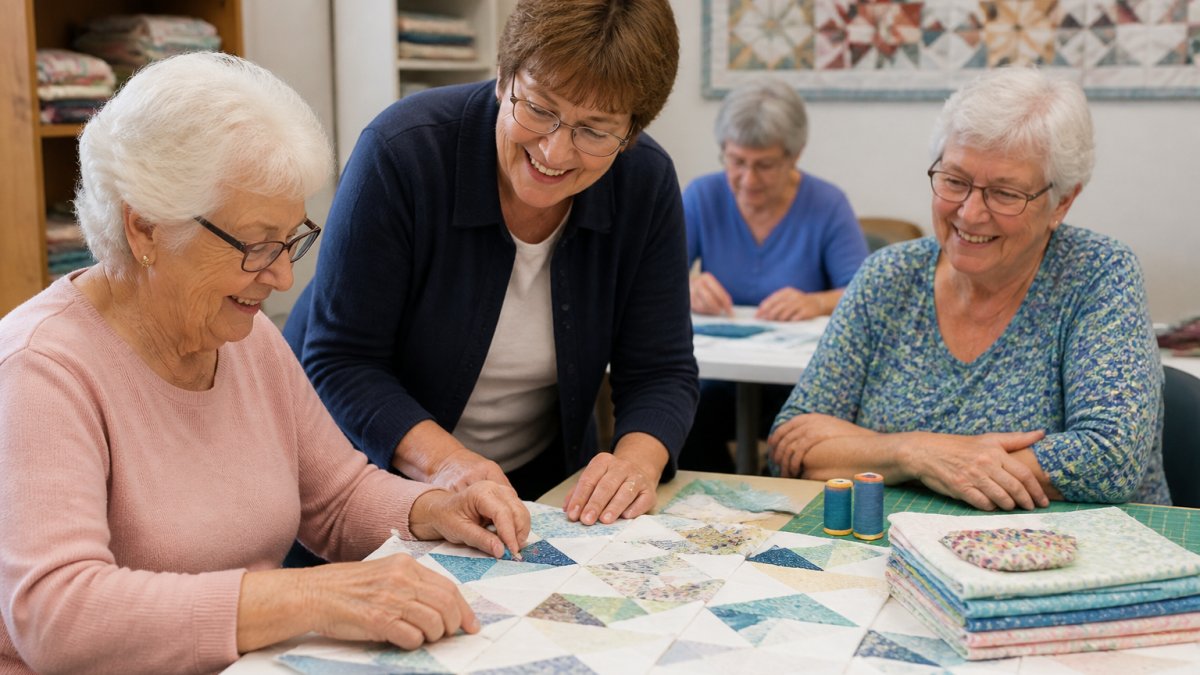
Beginner quilting classes for seniors offer a welcoming entry point into a craft that combines creativity, precision, and community. When you walk into your first class, expect hands-on instruction in a supportive environment where instructors understand that many students haven't touched fabric or a sewing machine in decades.
Most beginner quilting classes for seniors follow a structured format. You'll learn foundational skills like cutting fabric with rotary cutters, understanding the quarter-inch seam allowance, and piecing quilt blocks by hand or machine. Classes emphasize accuracy over speed. Instructors break down each step, demonstrate techniques multiple times, and give individual feedback as you work.
The atmosphere matters. Quality beginner quilting classes create space for questions without judgment. You'll work alongside peers at similar skill levels, which builds confidence. Many classes include time for practice, not just instruction. This matters because quilting requires muscle memory, your hands need to learn the motions, not just your brain.
At Nebraska Quilt Company, we understand what newer quilters need: clear instruction, quality supplies, and the chance to create something you're genuinely proud of. Our classes are designed with beginners in mind, and our staff works directly with students to ensure they're building solid foundational skills from day one.
Course Length, Sessions, and Class Schedules
Beginner quilting classes for seniors typically run between 4 and 12 weeks, depending on the program structure and depth of content. Shorter courses (4-6 weeks) cover essential basics: rotary cutting, piecing simple blocks, and assembling a quilt top. Longer courses (8-12 weeks) add finishing techniques, pressing methods, and more complex patterns.
Most programs meet once per week for 2 to 3 hours per session. This rhythm allows you to practice between classes and return with questions about what you've tried at home. Some programs offer weekend intensives, compressed schedules over a few days, which work well for people who want immersive learning but have limited availability.
Class schedules vary widely. Many community centers and quilt shops offer daytime classes (10 a.m. to 1 p.m.), which suits retirees. Evening classes (6 p.m. to 9 p.m.) serve working adults and those juggling other commitments. Some programs offer both options, so you can choose what fits your life.
Consider your own pace when selecting course length. If you're returning to sewing after 20+ years, a longer course gives you time to rebuild confidence without rushing. A 4-week intensive might feel pressured. Conversely, if you're eager to finish a project quickly, a shorter course with focused content might suit you better. The key is matching the course structure to how you learn best.
Quilting Classes for Beginners: Finding the Right Fit
Choosing the right beginner quilting classes for seniors requires looking beyond the course title. Ask specific questions about class size, instructor experience, and what supplies are included.
Class size matters. Small classes (6-10 students) allow instructors to give individual attention. Larger classes (15+ students) may feel rushed, especially if you need extra help understanding a technique. Call ahead and ask how many people typically enroll.
Instructor background is critical. You want someone who has taught beginners before and understands common frustrations. Ask whether the instructor has experience working with older students. Someone who's taught children or advanced quilters may not understand the specific needs of adult beginners returning to sewing.
Location and accessibility affect your experience. Can you park easily? Are there accessible restrooms nearby? Is the classroom well-lit? Poor lighting makes it hard to see fabric colors and seam lines accurately.
Visit the space before enrolling. Walk through the classroom. Check the tables where you'll work. Are they at a comfortable height? Can you move your chair freely? Look at the sewing machines available. Are they models you'd be comfortable using?
Ask whether the class focuses on hand quilting, machine piecing, or both. Hand quilting involves stitching through all three layers of the quilt with needle and thread, slower, meditative work. Machine piecing uses a sewing machine to join fabric pieces, faster and more precise for beginners.
Getting Started with Beginner Hand Quilting
Hand quilting is the decorative stitching that holds the quilt's three layers together and creates texture and visual interest. Many seniors find hand quilting deeply satisfying because it's portable, quiet, and doesn't require electricity.
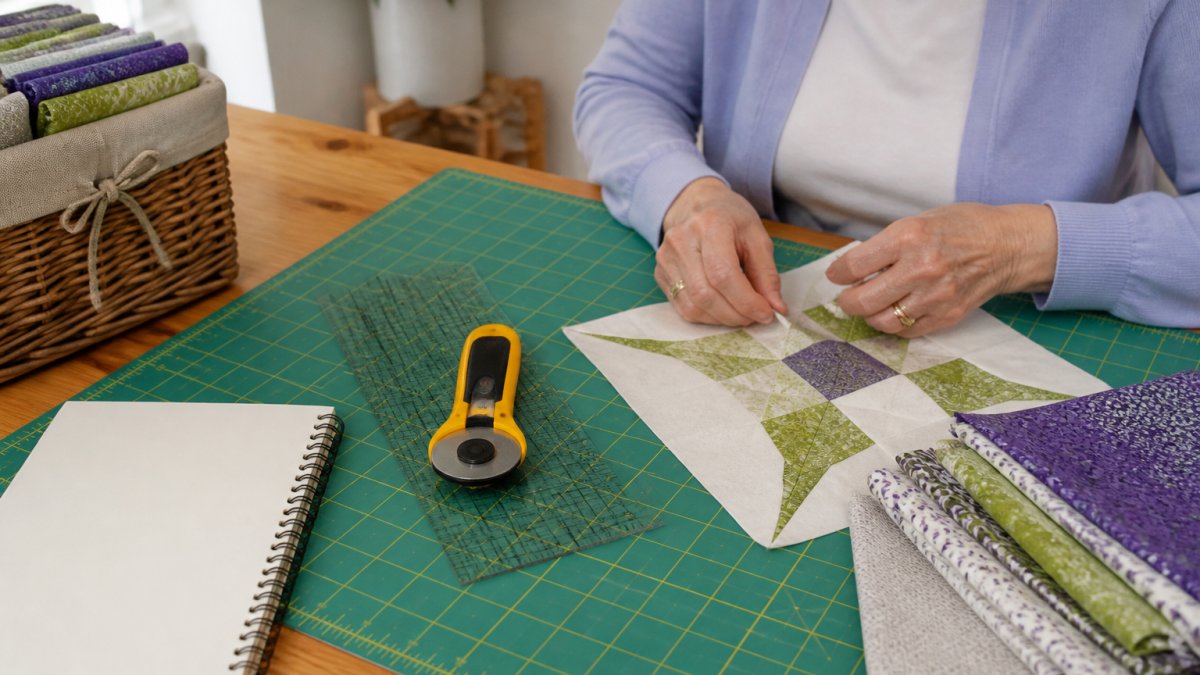
Before you start hand quilting, you need a completed quilt top (the front), batting (the middle layer), and backing fabric (the back). These three layers are basted together, held loosely in place, before quilting begins.
Hand quilting uses a special needle (shorter and stronger than regular sewing needles), quilting thread, and a thimble to protect your finger. You stitch through all three layers in a running stitch, making small, even stitches about one-eighth inch apart. The goal is consistency, not speed.
Start with simple quilting patterns. Straight lines following the seams of your blocks are called "stitch in the ditch", they're forgiving because you can follow the existing seam line. Echo quilting (parallel lines radiating outward from a shape) and simple stippling (small, meandering lines) are also beginner-friendly.
Common mistakes include stitches that are too large, inconsistent spacing, and pushing too hard on the needle. Your hand will tire quickly at first. Stop before your hand hurts. Quilting is not a race.
Essential Quilting Supplies for Beginners
Starting quilting requires basic supplies, but you don't need to buy everything at once. Begin with essentials and add tools as your skills develop.
Fabric is your foundation. You'll need cotton quilting fabric in colors and patterns you love. A beginner's first quilt might use 10-15 different fabrics.
Cutting tools include a rotary cutter, self-healing cutting mat, and quilting ruler. A rotary cutter looks like a pizza cutter and cuts fabric cleanly and accurately.
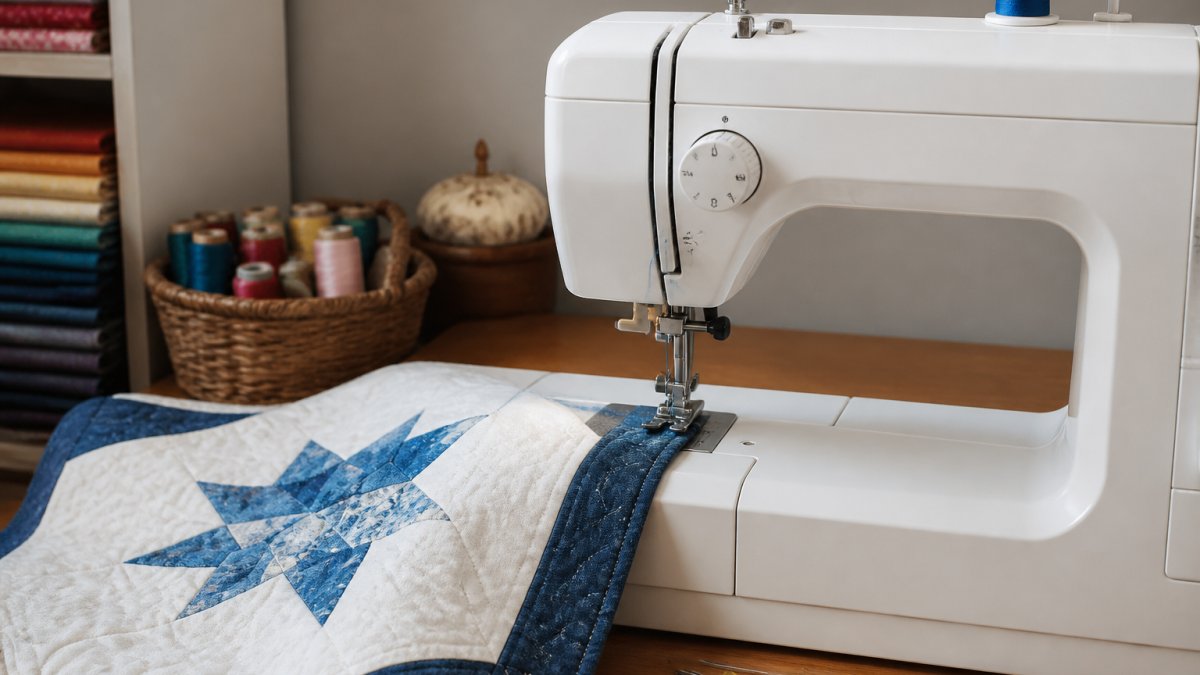
Sewing machine is essential for piecing quilt blocks. You don't need a fancy machine, a basic model that does straight stitches works perfectly for beginners.
Thread for piecing should be all-purpose or quilting thread in neutral colors (white, tan, gray, black). For hand quilting, use special quilting thread, which is thicker and stronger than regular thread.
Pressing supplies include an iron and ironing board. Pressing (not just ironing) your seams flat is crucial for accurate piecing. Pressing means using firm, downward pressure to set seams, not sliding the iron back and forth.
Batting is the middle layer of your quilt. Cotton batting is beginner-friendly because it's easy to hand quilt through and doesn't shift much. Polyester batting is cheaper but harder to hand quilt.
Backing fabric is the bottom layer. You'll need a piece larger than your quilt top, usually 8 inches wider and longer on all sides.
Nebraska Quilt Company stocks thousands of bolts of fabric, plus all the tools and supplies you need to get started.
Beginner Quilt Patterns and Your First Project
Your first quilt should be simple enough to build confidence but interesting enough to keep you engaged. Avoid patterns with too many pieces or complex piecing requirements.
Nine Patch is a classic beginner pattern. It uses 9 squares arranged in a 3x3 grid. Each square is the same size, so cutting is straightforward. You'll practice basic piecing on a manageable scale before assembling the full quilt top.
Rail Fence uses strips of fabric sewn together, then cut and rearranged to create a striped pattern. It's forgiving because strips are easy to cut and sew, and mistakes are less visible in the final design.
Charm Pack Quilt uses pre-cut 5-inch squares (charm packs) that you arrange and piece together. No cutting required, you move straight to piecing and learning the fundamentals.
Disappearing Nine Patch starts with a nine-patch block, then you cut it in half and rearrange the pieces. It looks complex but uses simple piecing skills.
Choose a pattern with large pieces (at least 2 inches square). Larger pieces are easier to cut accurately and easier to piece without frustration. A beginner's first quilt might be a lap-size quilt (about 40x60 inches) rather than a full-size quilt, which reduces the time and supplies required.
Set a realistic timeline. A beginner quilter typically completes a simple lap-size quilt in 3-6 months, working a few hours per week. This includes choosing fabric, cutting, piecing, quilting, and binding. Don't rush.
Tuition, Fees, and What's Included in Class Costs
Class costs vary based on course length, location, and what's included.
When comparing costs, ask what's included. Some classes provide all supplies, fabric, thread, batting, patterns, and use of machines. Others require you to bring your own supplies or purchase them separately. A class that includes supplies costs more upfront but saves you from buying tools you might not use again.
Ask about material fees separately from tuition. Some programs charge tuition for instruction and a separate materials fee for supplies used in class. Others bundle everything into one price. Understand the total cost before enrolling.
Ask about these options if you plan to continue learning beyond the beginner level.
Check whether the class includes the finished quilt or whether you're creating a project you take home. Some beginner classes focus on teaching skills through sample blocks rather than completing a full quilt. Others guide you through a complete quilt project.
If you're working with a limited budget, start with one class and see whether you want to continue. Many community centers and libraries offer free or low-cost introductory sessions. These help you decide whether quilting is for you before investing significantly.
Online, Hybrid, and Community Quilting Options
Not everyone can attend in-person classes. Online and hybrid options provide flexibility while maintaining instruction and community.
Online classes use video instruction you can watch on your own schedule. You purchase supplies separately and work at your own pace. The downside: you don't get real-time feedback or the in-person community.
Hybrid classes combine live online instruction with recorded content. You attend live sessions (usually once per week) where you can ask questions in real time, then access recordings to review techniques. This balances flexibility with live interaction.
Community quilting circles meet regularly in informal settings, libraries, community centers, coffee shops. These aren't structured classes but rather groups of quilters working on their own projects while offering mutual support and advice.
Quilt guilds are membership organizations for quilters of all levels. Members meet monthly for lectures, demonstrations, and social time. Many guilds offer mentoring programs that pair experienced quilters with beginners. Guild membership provides ongoing education and community.
Consider your learning style when choosing. If you need structure and deadlines, a formal class works best. If you prefer flexibility and self-directed learning, online instruction or a quilting circle might suit you better.
Starting beginner quilting classes for seniors opens a door to a creative practice that many find deeply rewarding.
Nebraska Quilt Company supports quilters at every stage. We stock premium fabrics and supplies, offer expert guidance on selecting materials and tools, and provide educational classes designed for learners at all levels.
Frequently Asked Questions
Can you learn quilting if you have never sewn before?
Yes, absolute beginners can learn quilting. Beginner quilting classes for seniors are designed to teach you from the ground up, starting with basic sewing machine skills, fabric cutting, and simple piecing. Most instructors assume no prior experience and move at a pace that allows newcomers to build confidence. Many seniors successfully complete their first quilt within their first course.
What supplies do you need for a first quilting class?
Most beginner classes provide or recommend a basic toolkit: a sewing machine, rotary cutter, self-healing cutting mat, quilting ruler, fabric scissors, pins, thread, and fabric. Quilting supplies for beginners often include pre-cut fabric bundles or kits to simplify your first project. Check with your class instructor about what's included in tuition and what you'll need to purchase separately.
How long does it take to learn basic quilting?
Basic quilting fundamentals can be learned in 4 to 8 weeks of regular classes, though completing your first full quilt typically takes 2 to 3 months depending on project complexity and practice time. Beginner quilting classes for seniors often use shorter, manageable projects to build skills progressively. Your pace depends on how often you attend class and practice at home.
What should a senior look for in a beginner quilting class?
Look for classes that offer flexible scheduling, small class sizes for personalized attention, and instructors experienced with adult learners. Check whether the class covers rotary cutting, machine piecing, and accurate seams, core skills for all quilters. Confirm accessibility features like comfortable seating, adequate lighting, and breaks. Ask about the instructor's experience with seniors and whether they provide hands-on support throughout the course.