 how-to
How to Test Longarm Quilting Machines
Table of Contents
- Why Testing a Longarm Quilting Machine Matters
- What You'll Need Before Your Test Drive
- Step 1: Evaluate Frame Size and Throat Space
- Step 2: Assess Longarm Quilting Machine Stitch Quality
- Step 3: Test Tension Adjustment and Thread Handling
- Step 4: Questions to Ask Before Buying a Longarm Quilting Machine
- Used Longarm Quilting Machine Checklist
- Common Mistakes to Avoid During Testing
- Frequently Asked Questions
Last Updated: October 6, 2026
Why Testing a Longarm Quilting Machine Matters
A longarm quilting machine is a major investment, so you should test longarm quilting machines before you buy, it's essential.
Many quilters who order online only realize after delivery that the throat space is too small, the computerized system too complicated, or the tension needs constant tweaking.
At Nebraska Quilt Company, we encourage every customer to test longarm quilting machines before committing. Handling a machine yourself reveals what no spec sheet will.
What You'll Need Before Your Test Drive
Show up to a demonstration with the right materials and mindset.
Preparing Your Test Samples
Bring fabric samples that represent your actual quilting work.
Your samples should include:
- Batting you typically use (the weight and fiber content matter)
- Thread colors you commonly quilt with
- Fabric scraps from recent projects
Stitch quality depends on what you're quilting: a machine that handles lightweight cotton beautifully might struggle with heavier fabric. Bring at least 12 x 12 inches of each sample.
Bringing Documentation
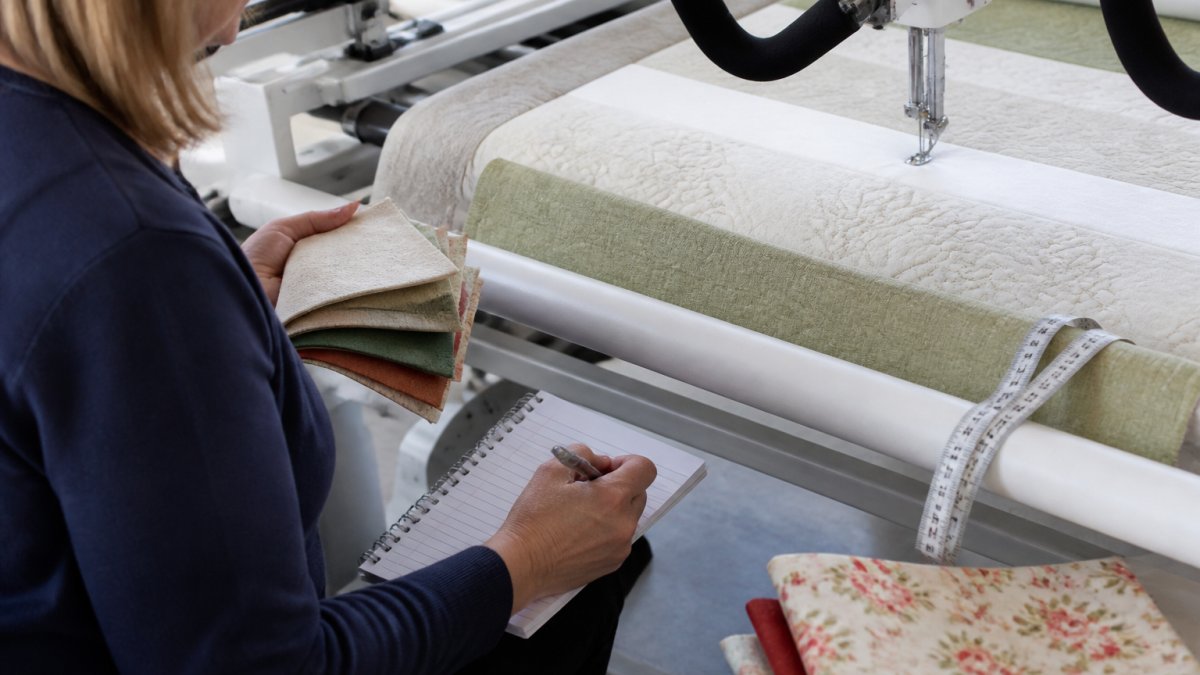
Bring a notebook or phone to take notes and photos.
Document these details:
- Machine settings you use for each test
- How the tension looks on the front and back of the fabric
- Stitch length and density settings
Photograph stitch quality from both sides, photos are easier to compare than memory.
Step 1: Evaluate Frame Size and Throat Space
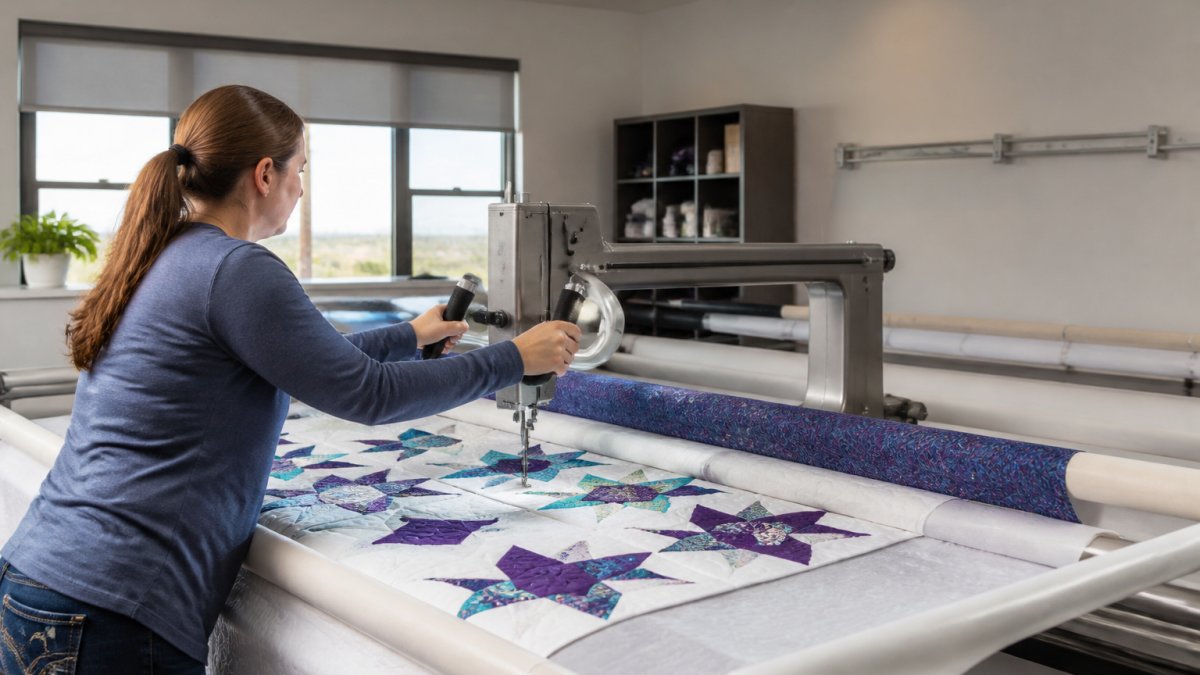
Throat space is the distance from the needle to the back of the machine's throat. Frame size is the total quilting width the frame and carriage can handle. Both determine what projects you can finish without fighting the machine.
Match Throat Space to Your Real Quilt Sizes
Throat space controls how much you can stitch before advancing the quilt. A small throat forces frequent advances, meaning more chances to shift the quilt and introduce puckers.
Use these common quilt dimensions as a reference when you measure:
- Crib: roughly 36 x 52 inches
- Throw: roughly 50 x 65 inches
- Twin: roughly 65 x 90 inches
A 10-inch throat lets you stitch about 10 inches before advancing; a 12-inch throat adds two inches per pass.
Measure It Yourself, Don't Trust the Spec Sheet
Bring a tape measure and measure the actual throat opening, needle to inside of throat. Then confirm the dealer's maximum frame width against the showroom frame.
Compare both numbers to your typical quilt sizes. If your largest project is a king quilt and the frame maxes out at 84 inches, you'll be quilting in sections or need a larger frame.
Test Ergonomics at the Machine, Not on Paper
Most buyers skip this step, yet it determines whether you'll still enjoy quilting after three hours.
Sit or stand at the machine exactly as you would at home. Then check:
- Handle height and grip. Are the handles at a height where your wrists stay neutral, or do you have to bend them up or down?
- Reach across the frame. Can you comfortably reach the far side of the quilting area without leaning or stretching? Measure the distance from your natural hand position to the farthest point you'd need to quilt.
- Carriage resistance. Push the carriage through a full pass. It should glide with light effort. If you have to push hard, you'll fatigue quickly on a large quilt.
Spend at least 15 minutes in the actual quilting position, showroom discomfort becomes pain after a full quilt.
Step 2: Assess Longarm Quilting Machine Stitch Quality
Stitch quality is where machines truly separate. Two machines at similar price points can produce dramatically different results.
Checking Stitch Consistency
Stitch consistency means every stitch looks the same, no skipped stitches, tension loops, or puckering. Consistent stitches make quilts look professional and last longer.
During your test, quilt the same pattern three times and compare the results:
- Look at the top of the fabric, are stitches uniform in length and spacing?
- Flip the fabric over, do stitches look balanced on the back?
- Check for thread breakage or skipped stitches
If stitches are inconsistent, ask the dealer to adjust tension and try again, if quality doesn't improve noticeably, that's a red flag. Test with both your thread and the dealer's.
Testing Computerized vs. Freehand Capabilities
Computerized quilting is precise: the machine stitches exactly what you program, excellent for repeating patterns.
Freehand quilting gives you total creative control: you move the quilt and control stitch length while the machine handles the needle.
During your test drive:
- Try at least one computerized pattern if the machine offers it
- Attempt freehand quilting with simple straight lines first
- Test stitch regulation (the machine's ability to maintain consistent stitch length during freehand quilting)
If you're new to longarm quilting, freehand may feel overwhelming at first, that's normal.
Step 3: Test Tension Adjustment and Thread Handling
Tension adjustment and thread handling reveal a machine's true personality: two machines can stitch identically on the dealer's thread and behave completely differently once you load your own thread and batting.
Test Tension Responsiveness Deliberately
The goal is balanced tension: top and bobbin thread lock in the middle of the fabric, hiding knots inside the layers.
During your test, adjust tension on purpose and watch how the machine responds:
- Start at the dealer's recommended setting and quilt a 6-inch line.
- Tighten the top tension by a quarter turn and quilt another line. Note how quickly the stitch changes.
- Loosen it a quarter turn past the starting point and quilt again.
A responsive tension system shows visible change with each small adjustment; a sluggish one needs multiple turns before anything happens, so you'll overshoot and re-adjust constantly on real quilts.
Check both sides of the fabric after each pass. Look for:
- Tension loops (loose thread showing on the top surface)
- Bobbin thread pulled to the top
- Top thread pulled to the back
Test How Picky the Machine Is About Thread
Most buyers never test this maintenance angle, yet it determines your day-to-day frustration level.
Bring at least three thread types: a standard 40-weight cotton, a 50-weight cotton or polyester, and a specialty thread such as a metallic or heavier 30-weight.
Watch for:
- Thread breaks. A machine that breaks specialty thread repeatedly will limit your design choices.
- Tension drift. Does the balanced setting hold across all three thread types, or do you have to re-adjust for each one?
- Thread path friction. Follow the thread from spool to needle. Sharp angles, tight guides, or exposed metal edges catch thread and cause breaks.
Ask the dealer directly: "What thread does this machine dislike?" A good dealer names specific weights or brands; a vague answer usually means the machine is finicky.
Evaluate Maintenance and Serviceability Before You Buy
A machine that quilts beautifully but needs constant attention becomes a burden. Test the maintenance side during your visit:
- Bobbin winding. Wind a bobbin yourself. How many steps does it take? Does the winder produce an even, tight bobbin on the first try?
- Access to the bobbin case. Can you reach the bobbin case without removing the quilt or contorting your hand? On a large quilt, a hard-to-reach bobbin case means stopping and wrestling with the machine every time you run out.
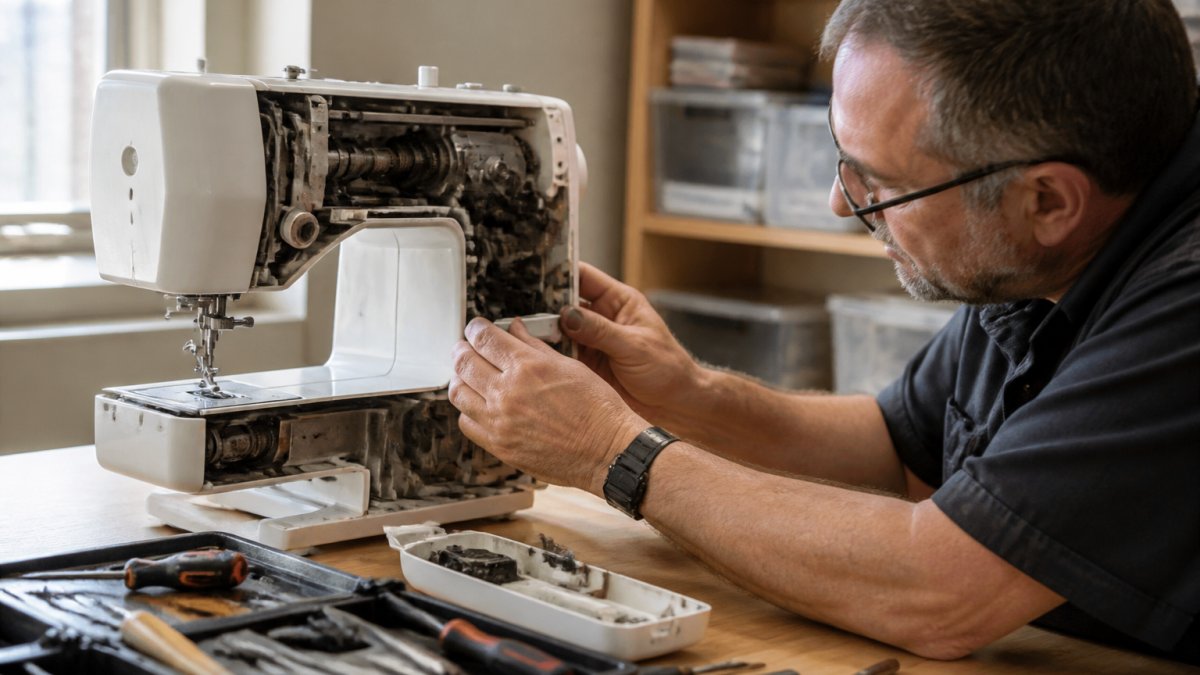
- Routine cleaning. Ask what the owner is expected to clean and how often, typically lint from the bobbin area and the thread path. If the dealer can't explain it in a minute, the machine may be high-maintenance.
Ask the Service Questions That Reveal Real Cost
Before you commit, get answers in writing:
- What's the recommended service interval, and what does a typical service visit include?
- Are replacement parts stocked domestically, or do they ship from overseas?
- What's the typical turnaround time for a repair?
A machine with strong stitch quality and easy maintenance serves you for years; one that fights you on thread and needs frequent service sits idle.
American Quilter's Society resources on longarm machine maintenance
Step 4: Questions to Ask Before Buying a Longarm Quilting Machine
Come prepared with specific questions. These separate informed buyers from those who regret their purchase.
Dealer Support and Maintenance Questions
Ask about dealer support before you buy. Post-sale support often determines your satisfaction.
Key questions:
- Do you offer training classes for new owners?
- What's included in the warranty and how long does it last?
- How quickly can you service machines if something breaks?
Nebraska Quilt Company offers certified on-site service and repair, which matters because downtime costs you quilting time. Ask potential dealers about their service credentials.
Machine Features and Specifications
Beyond basic specs, dig into the details:
- What's the maximum stitch speed? (Faster isn't always better if it sacrifices control)
- How many stitch patterns does the computerized system offer?
- Can you upload custom patterns?
Ask the dealer to demonstrate features you're uncertain about, see it in action rather than assuming.
Used Longarm Quilting Machine Checklist
Buying used can save money but requires careful evaluation: a well-maintained machine can serve for decades, while a neglected one becomes expensive quickly.
Mechanical Reliability Assessment
Inspect the machine thoroughly before committing:
- Ask for maintenance records, has the owner serviced it regularly?
- Listen to the motor, does it sound smooth or rough?
- Test all moving parts, carriage movement should be smooth and stable
Ask the seller about any repairs or issues the machine has experienced. Be skeptical if they claim it's never needed service.
Software and Carriage Movement Testing
For computerized machines, test the software:
- Does the system boot up quickly?
- Can you navigate menus easily?
- Does the carriage move smoothly when executing patterns?
- Are there any delays or stuttering during operation?
Carriage movement should be fluid and responsive. Jerky or hesitant movement suggests mechanical issues.
If you're buying from a private seller, ask them to walk you through the software. If they can't operate their own machine comfortably, that's a warning sign.
Common Mistakes to Avoid During Testing
Ignoring ergonomics. Specs don't tell you whether the machine fits your body.
Testing too quickly. Rushing means missing important details.
Forgetting about support. A great machine with poor dealer support becomes frustrating.
Skipping the used machine inspection. Buying used without thorough inspection is gambling.
Nebraska Quilt Company can help you navigate this process.
Frequently Asked Questions
Should you test a longarm quilting machine before buying?
Yes. Testing before purchase protects your investment and ensures the machine fits your quilting style. A test drive lets you evaluate stitch quality, frame stability, ergonomics, and whether the motor speed and carriage movement feel right for your work. You'll also assess tension adjustment responsiveness and thread path reliability, which are critical to avoiding thread breakage and achieving consistent stitching.
What should you look for when test-driving a longarm quilting machine?
Focus on stitch consistency, tension adjustment responsiveness, throat space relative to your project sizes, and frame assembly stability. Test both computerized quilting and freehand quilting modes. Evaluate the presser foot tension, bobbin system reliability, and user interface intuitiveness. Check carriage movement smoothness and whether the machine maintains quilting density across different speeds. Ask about dealer support and machine maintenance requirements before finalizing your decision.
How do you test stitch quality on a longarm quilting machine?
Bring fabric samples in different weights and thread colors. Run test stitches at various motor speeds and quilting densities. Examine stitches under good lighting for consistency, skipped stitches, and thread tension balance. Stitch regulation should remain even when changing direction or speed. Test both straight lines and curved patterns. Poor stitch quality often signals tension adjustment issues or bobbin system problems that require immediate attention.
What questions should you ask before buying a longarm quilting machine?
Ask about warranty coverage, dealer support availability, and certified repair services. Inquire about software compatibility with your computer, training included with purchase, and whether the frame size suits your typical projects. Ask about presser foot tension adjustment ease and bobbin system design. Request information on motor speed range and carriage movement speed. Understanding these details prevents buyer's remorse.