 ultimate-guide
Beginner Quilting Classes for Adults: A Complete 2026 Guide
Table of Contents
- What to Expect From Beginner Quilting Classes for Adults
- Essential Quilting Tools for Beginners
- How Long Is a Beginner Quilting Class
- How to Make a Quilt Step by Step
- In-Person vs. Online Quilting Classes
- Safety and Ergonomic Best Practices
- Getting Started With Your First Project
- Frequently Asked Questions
Last Updated: October 3, 2026
What to Expect From Beginner Quilting Classes for Adults
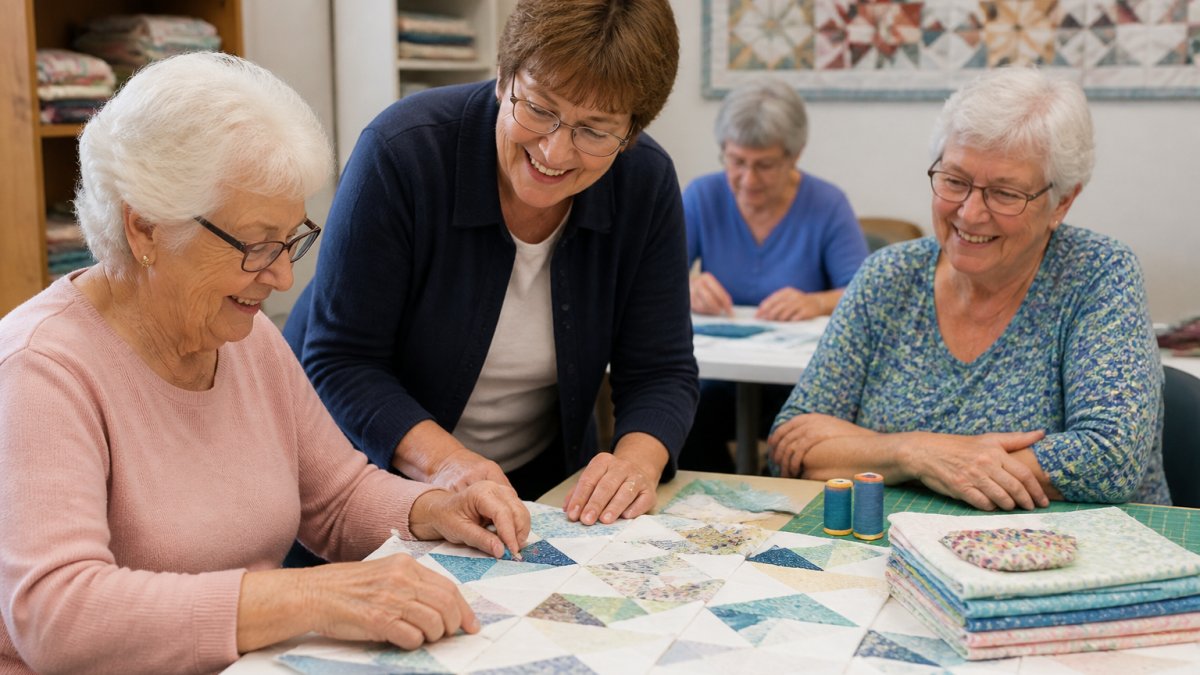
Beginner quilting classes for adults offer structured instruction, community, and the confidence to complete your first quilt, whether you're returning to sewing after decades or picking up a needle for the first time.
Most beginner quilting classes progress from fabric fundamentals and tool safety through basic piecing to assembly and quilting.
At Nebraska Quilt Company, beginner quilting classes are designed for adults in a welcoming environment where questions are encouraged and every student moves at their own pace.
A structured class provides accountability and feedback. Instructors spot tension problems, cutting errors, and pressing mistakes that would take months to identify alone, and introduce techniques you might never discover independently.
Essential Quilting Tools for Beginners
A focused set of essentials will get you through your first project. Understanding what each tool does helps you invest wisely.
Cutting Tools
The rotary cutter is the most essential cutting tool. A 45mm cutter is standard for beginners, large enough to cover ground quickly but small enough to control accurately around corners and curves.
Pair your rotary cutter with a self-healing mat (24" x 36" for most beginner projects).
A quilting ruler is your third cutting essential, thick acrylic with quarter-inch markings that prevent fabric slipping. A 6" x 24" ruler covers most beginner tasks.
Pressing and Measuring
Pressing sets seams flat and creates crisp creases that make piecing easier. A standard household iron works, though a dedicated quilting iron provides more heat and surface area.
An ironing board at comfortable height prevents back strain, or use a small pressing mat on your work table to keep pressing and piecing in one location.
Measuring tape and a small ruler help with borders and block sizes. A block that's even a quarter-inch off becomes noticeable when assembling multiple blocks.
Sewing Machine Essentials
Your sewing machine needs to be reliable with consistent stitch length and tension.
A quarter-inch foot is the most important presser foot for quilting, it aligns exactly one quarter-inch from the needle, maintaining the seam allowance that holds quilts together.
A walking foot becomes essential for machine quilting, feeding fabric evenly to prevent puckering.
Keep spare needles, neutral-colored thread, and bobbins on hand. Fresh supplies eliminate variables when troubleshooting tension problems.
How Long Is a Beginner Quilting Class
Class length varies dramatically depending on format. Understanding your options helps you choose the structure that fits your schedule and learning style.
Workshop and Single-Session Options
Single-day workshops run four to six hours and work best for specific skills or small projects. The compressed timeline creates focus and momentum.
Four-hour workshops cover fabric selection, cutting, and piecing; six-hour workshops may include assembly or binding basics.
Single-session classes offer flexibility but limited depth and no community building.
Multi-Week Curriculum Tracks
Multi-week beginner quilting classes run six to twelve weeks, meeting once or twice weekly. Instructors build skills progressively from tools and safety through piecing, assembly, and finishing.
Multi-week classes build community and confidence through repeated practice. You'll complete a full quilt during the course, and instructors provide targeted feedback.
Eight-week classes provide enough time to move from novice to independent quilter. Ten to twelve-week courses allow more complex patterns and multiple projects.
How to Make a Quilt Step by Step
The quilting process follows a logical sequence, and understanding each stage helps you plan your approach and troubleshoot problems. This is where the work gets real.
Fabric Selection and Preparation
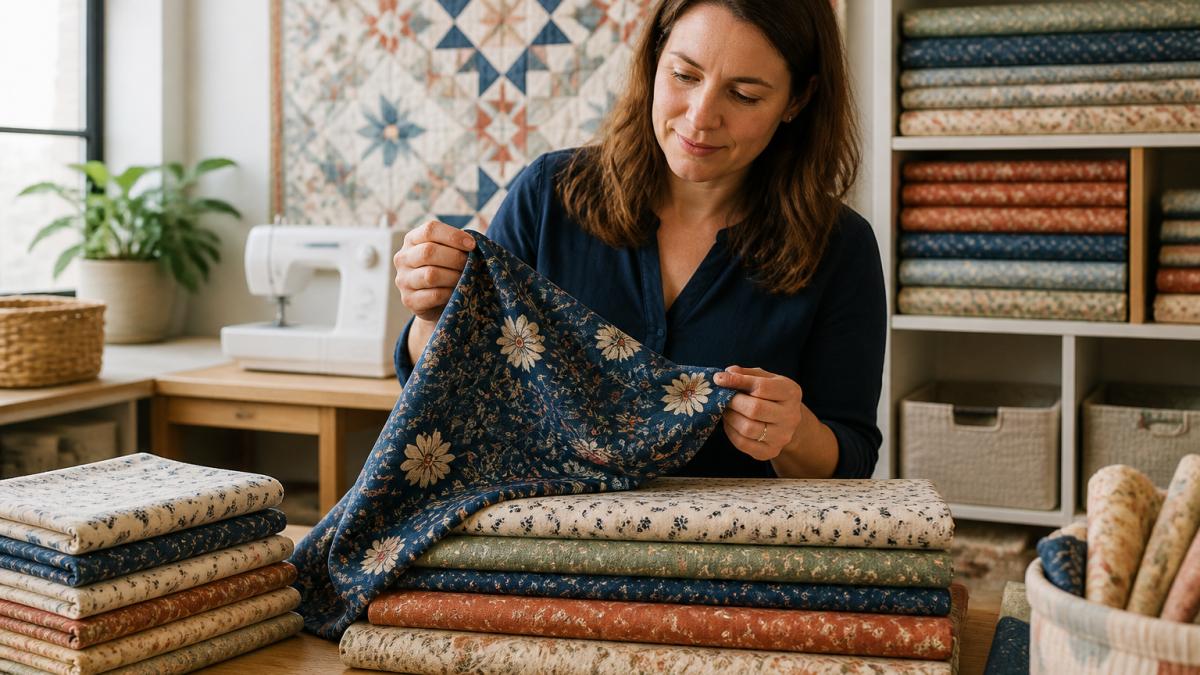
Most beginners start with quilting cotton, a tightly woven fabric that holds a crease, cuts cleanly, and behaves predictably. Avoid fashion fabric or knits.
Fat quarters (18" x 22") and jelly rolls (2.5" strips) are beginner-friendly because they eliminate yardage calculations.
Pre-wash fabric in cool water with mild soap, then dry and press flat. This prevents color bleeding and shrinkage.
Cutting and Piecing Quilt Blocks
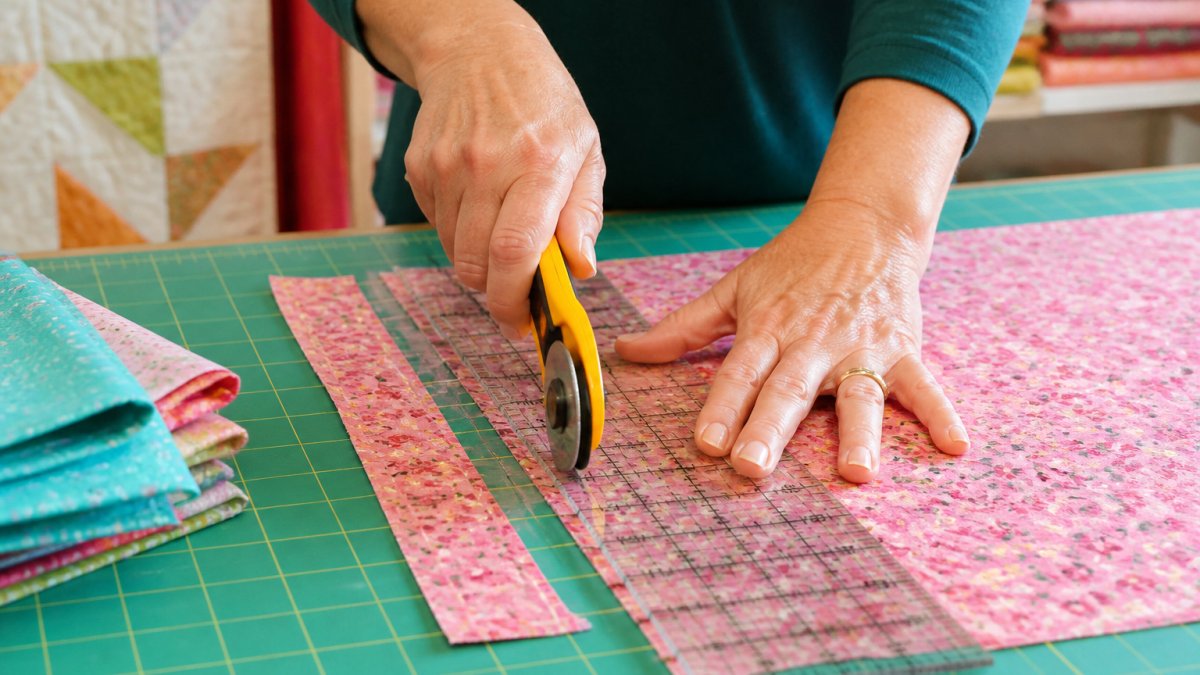
Accurate cutting is the foundation of a flat quilt. Use your rotary cutter, ruler, and mat to cut strips and squares to exact measurements.
Piecing means sewing fabric pieces together per your pattern. Keep seam allowance consistent and press seams to one side after each seam for crisp points where blocks meet.
If seams pucker or blocks are the wrong size, check tension and needle first.
Assembling the Quilt Top
Arrange blocks per your pattern, sew into rows, then sew rows together to create the quilt top.
Borders frame the quilt top. Measure through the center, cut border strips to that length, and measure again before adding the next border to prevent wavy edges.
Quilting and Finishing
Quilting stitches through all three layers. Straight-line quilting (rows or grids) is beginner-friendly; free-motion quilting comes later.
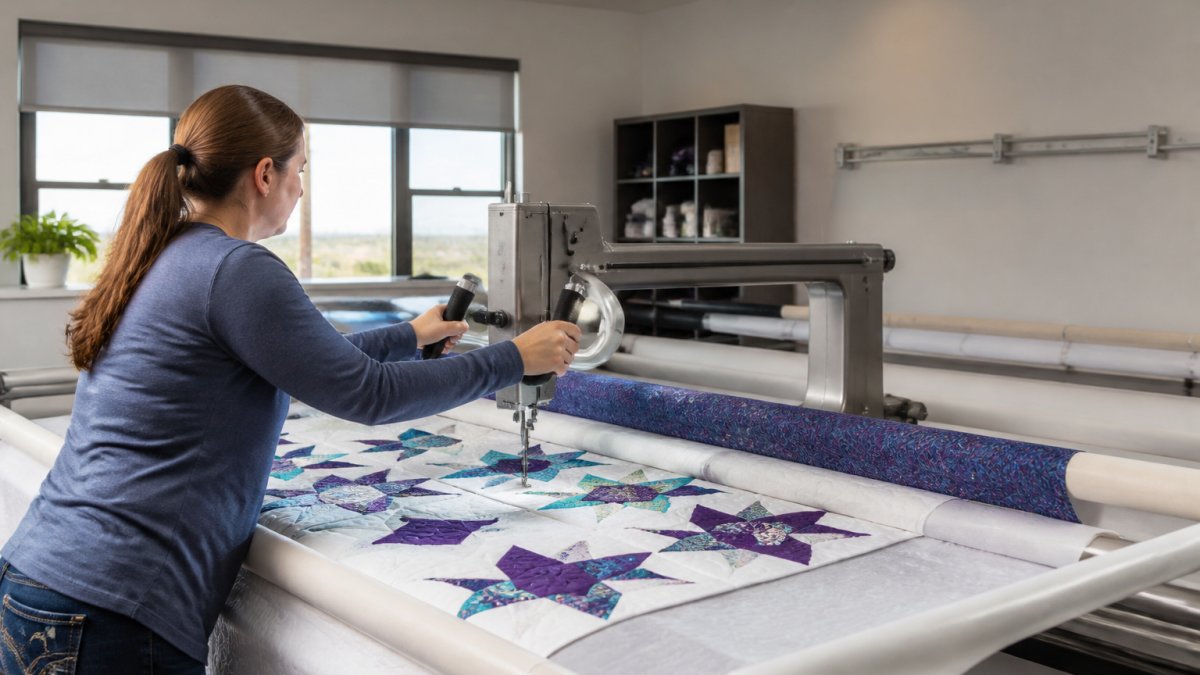
You can quilt your own project or send it to a professional longarm quilter, which produces intricate designs difficult to achieve on a home machine.
Binding finishes the edges. You'll sew binding strips together, press them in half lengthwise, attach them to the front of the quilt, and hand-stitch them to the back.
In-Person vs. Online Quilting Classes
Both formats have genuine strengths. Your choice depends on how you learn best and what you need from the experience.
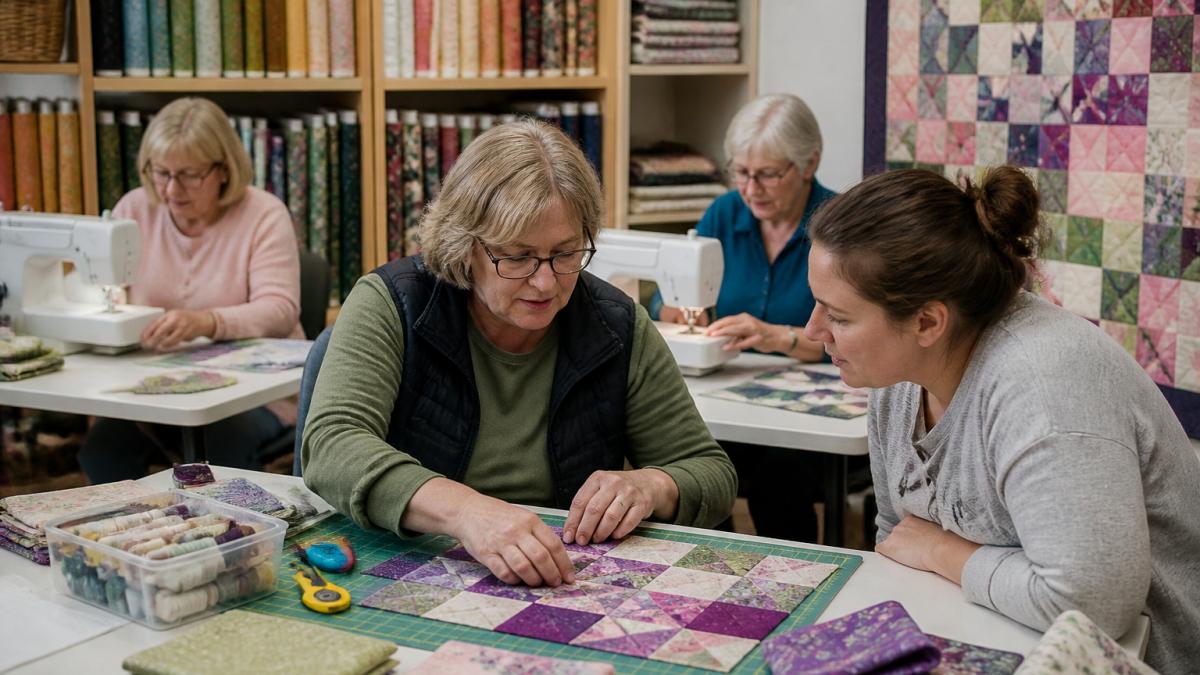
In-person classes offer immediate feedback.
The disadvantage of in-person classes is logistics.
Online classes offer flexibility. You watch videos on your schedule, pause to practice, and rewatch sections as needed.
The disadvantage is isolation.
For your first beginner quilting class, in-person instruction is ideal if it's available.
Safety and Ergonomic Best Practices
Quilting involves repetitive motions and sustained postures that can cause injury if you're not thoughtful about setup and breaks.
Rotary cutter safety starts with respecting the blade. Always cut away from your body. Keep fingers clear of the cutting line.
Your work surface height affects posture.
Take breaks every 45 minutes to an hour. Stand, stretch, and look away from your work.
Repetitive strain injuries develop gradually.
Getting Started With Your First Project
Your first project should be simple enough to build confidence but complex enough to teach real skills.
Choose a pattern with large pieces and a simple layout.
Gather your materials before starting.
Set a realistic timeline.
Find a quilter's group or class to join.
Quilting is a skill that builds on itself.
If you're ready to start, find a beginner quilting class that fits your schedule and learning style.
| Element | Single-Session Workshop | Multi-Week Class |
|---|---|---|
| Duration | 4-6 hours | 6-12 weeks, 2-3 hours per session |
| Best For | Specific skills or quick projects | Building foundational skills |
| Community | Limited | Strong ongoing relationships |
| Completion | Partial progress | Full project completion |
| Cost | Lower per session | Higher total, better value per hour |
American Quilter's Society beginner resources
Occupational Safety and Health Administration ergonomic guidelines
The Quilter's Complete Guide to fabric and tool standards
Frequently Asked Questions
What is the easiest way to learn quilting for beginners?
Start with a structured beginner quilting class that teaches fundamentals step by step. Classes provide hands-on instruction on fabric selection, cutting techniques, piecing, and basic machine quilting. Most beginners benefit from in-person classes where instructors can correct technique in real time. Begin with simple projects like placemats or small quilts using pre-cut fabric (fat quarters or jelly rolls) to build confidence before tackling complex block patterns.
How long does it take to complete a beginner quilting course?
Beginner quilting classes range from single-day workshops (4-6 hours) to multi-week curricula spanning 8-12 weeks with weekly 2-3 hour sessions. A complete beginner quilt from start to finish typically takes 20-40 hours depending on complexity and size. Many adult learners complete their first small project (placemat or mini-quilt) within 2-4 weeks of consistent practice.
What supplies do I need to enroll in a beginner quilting class?
Most beginner quilting classes require a sewing machine, rotary cutter, quilting ruler, self-healing mat, fabric, thread, and basic hand-sewing supplies. Many classes provide some materials or can recommend budget-friendly starter kits. Ask your instructor which items the class provides versus what you need to bring. Essential quilting tools for beginners are affordable, and many shops offer beginner bundles that include everything needed to start.
Are in-person quilting classes better than online courses?
In-person classes offer real-time feedback on technique, immediate troubleshooting, and community connection, which many beginners find invaluable. Online classes provide flexibility and accessibility if you live far from a quilt shop. The best choice depends on your learning style and schedule. Many quilters benefit from combining both: online tutorials for self-paced learning and occasional in-person workshops for hands-on skill refinement and instructor feedback.
What skills are typically taught in an introductory quilting class for adults?
Beginner quilting classes teach fabric selection, pressing techniques, accurate cutting using rotary cutters and rulers, seam allowance consistency (typically quarter-inch), basic piecing methods, thread tension adjustment, and simple quilting techniques. Most curricula include understanding quilt blocks, assembling quilt tops, adding borders and binding, and finishing touches. Classes emphasize hands-on skill-building with step-by-step instruction appropriate for complete beginners.
What is the 60/30/10 rule for quilting?
The 60/30/10 rule is a fabric selection principle: use one dominant color or print for 60% of your quilt, a secondary color for 30%, and an accent color for 10%. This creates visual balance and prevents the quilt from looking too busy. Many beginner quilting classes teach this principle as part of fabric selection, helping new quilters understand color theory and design without overwhelming choices.
Can I take beginner quilting classes if I haven't sewn in decades?
Yes, beginner quilting classes are specifically designed for adults starting from scratch or returning after a long break. Instructors teach all fundamentals, including basic sewing machine operation, thread tension, and stitch control. Many students in beginner classes are retired or semi-retired adults returning to sewing after 20, 30, or more years away. Classes move at a pace suitable for rebuilding confidence and muscle memory.